Organizing Financial Records After a Major Life Event
Adjusting Records After Life Transitions
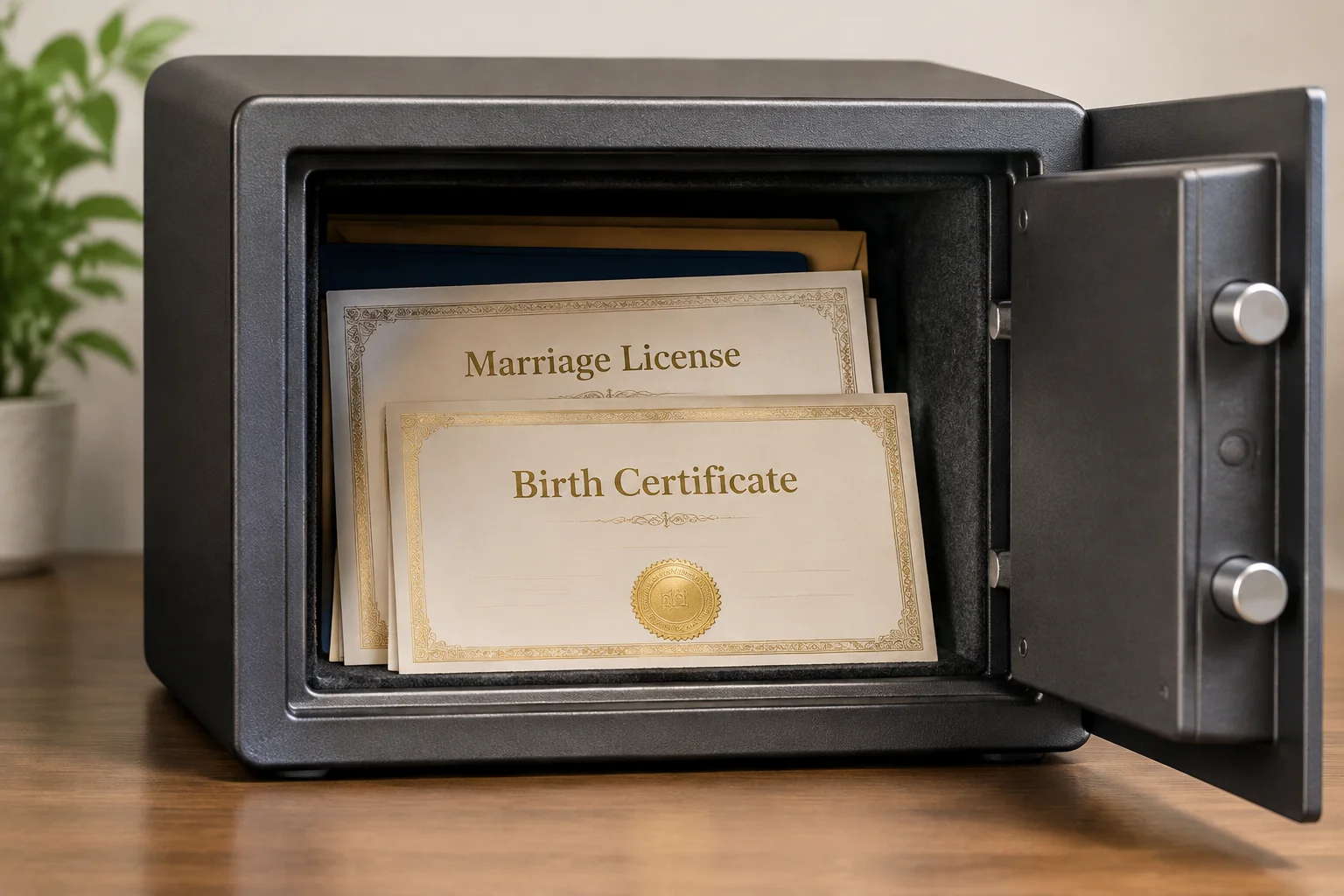
Life transitions often bring emotional and administrative challenges. Marriage, the birth of a child, or a significant inheritance changes the financial landscape overnight. Update all legal documents to reflect the new status. Social security cards and driver's licenses require immediate attention after a name change. Store marriage certificates or birth certificates in a fireproof safe. These documents serve as foundational proof for future filings. Review beneficiary designations on retirement accounts and life insurance policies. The primary beneficiary might need adjustment based on the recent event.
Marriage and Name Changes
Marriage unites two financial lives. Start by obtaining multiple certified copies of the marriage certificate. These copies are necessary for updating government records and bank accounts. Notify the Social Security Administration first. Once the new card arrives, update the driver's license at the local DMV. Inform employers so they can adjust payroll records and benefits. Combine or separate bank accounts according to the new household plan. Reviewing insurance coverages often reveals opportunities for multi-policy discounts. Keep the original marriage certificate in a secure, accessible location.
Welcoming a New Family Member
The birth or adoption of a child introduces new documentation requirements. Apply for a Social Security number for the child immediately. This number is essential for claiming dependents. Obtain a certified birth certificate from the health department. Update health insurance policies to include the new family member. Most plans have a limited window for these changes. Consider opening a college savings account, such as a 529 plan. These accounts offer long-term benefits for education expenses. Keep records of all medical expenses related to the birth or adoption process.
Managing a Significant Inheritance
Receiving an inheritance requires careful documentation and planning. Keep all records provided by the executor of the estate. These documents show the value of the assets at the time of transfer. Appraisals for physical property like real estate or jewelry are necessary. These values establish the cost basis for the new owner. Open a separate account to hold inherited funds until a long-term plan is developed. Consult with professionals to understand the implications of the inheritance. Keep detailed records of any taxes paid by the estate before the distribution of assets.
Navigating Separation or Divorce
Divorce necessitates a complete reorganization of financial records. Gather all joint account statements from the past several years. Create a detailed list of individual and marital assets. The divorce decree serves as the primary document for changing names and titles. Update deeds for real estate and titles for vehicles to reflect the new ownership. Close joint credit card accounts to prevent unauthorized spending. Establish new individual accounts for banking and utilities. Keep copies of all legal correspondence and court filings in a dedicated folder.
The Role of Beneficiary Designations
Major life events often render old beneficiary designations obsolete. Retirement accounts, life insurance, and payable-on-death bank accounts bypass the probate process. They go directly to the named beneficiary. Review these designations after every significant change. A former spouse or a deceased relative might still be listed as the primary recipient. Updating these forms ensures that assets go to the intended individuals. Most institutions allow for these updates to be completed online. Keep a confirmation of the change for personal records.
Long-Term Storage Solutions
Organizing records requires a balance between security and accessibility. Use a fireproof and waterproof safe for original legal documents. Digital backups provide a secondary layer of protection. Scan every new document and store it in an encrypted cloud folder. Organize the digital files by event and date. This structure makes it easy to find specific papers years later. Regularly review the filing system to remove outdated information. A well-maintained archive provides peace of mind during future transitions.

Holden Henry
This guide was exactly what I needed after my wedding. The checklist for beneficiary updates is a lifesaver.
Autumn Bennett
Congratulations on your marriage, Sarah! Keeping those records updated now saves a lot of stress later.
Martin Murphy
What about inheritance records? Do I need to keep the original will copies?
Denise Powell
Keep all original legal documents in a secure location. Scanned copies are great for daily reference, but originals are often required for verification.