How to Maintain a Paper Trail for Business Travel Expenses
Tracking Travel Costs for Business
Professional travel demands meticulous record-keeping. The process begins before the suitcase is even packed. Create a dedicated folder for the specific trip. Digital tools assist in capturing receipts immediately after a purchase. Take photos of physical receipts using a smartphone. The image quality must be high enough to read the date and amount clearly. Maintain a detailed mileage log for road trips. Record the starting odometer reading and the final destination. Food expenses also require careful tracking. Keep separate receipts for business meals and personal snacks.
Pre-Trip Preparation and Budgeting
Preparation sets the stage for accurate reporting. Review the company travel policy to understand which expenses are reimbursable. Book flights and hotels through approved channels to centralize documentation. Save the confirmation emails in a specific subfolder. These emails serve as the initial record of the planned expenditure. Print a physical copy of the itinerary for quick reference. This document often contains contact information for vendors and travel agents. Establishing a clear budget prevents overspending and simplifies the later review process.
Real-Time Expense Logging
Waiting until the end of the trip to organize receipts leads to errors. Log every expense as it occurs. Mobile applications allow for the categorization of costs on the go. Attach the digital image of the receipt to the entry immediately. This habit ensures that nothing gets lost during transit. Small expenses like tips or public transit fares add up quickly. Use a small envelope to store physical receipts that cannot be digitized right away. Note the business purpose of each meal or meeting on the back of the receipt. This detail provides clarity during the final reconciliation.
Transportation and Mileage Records
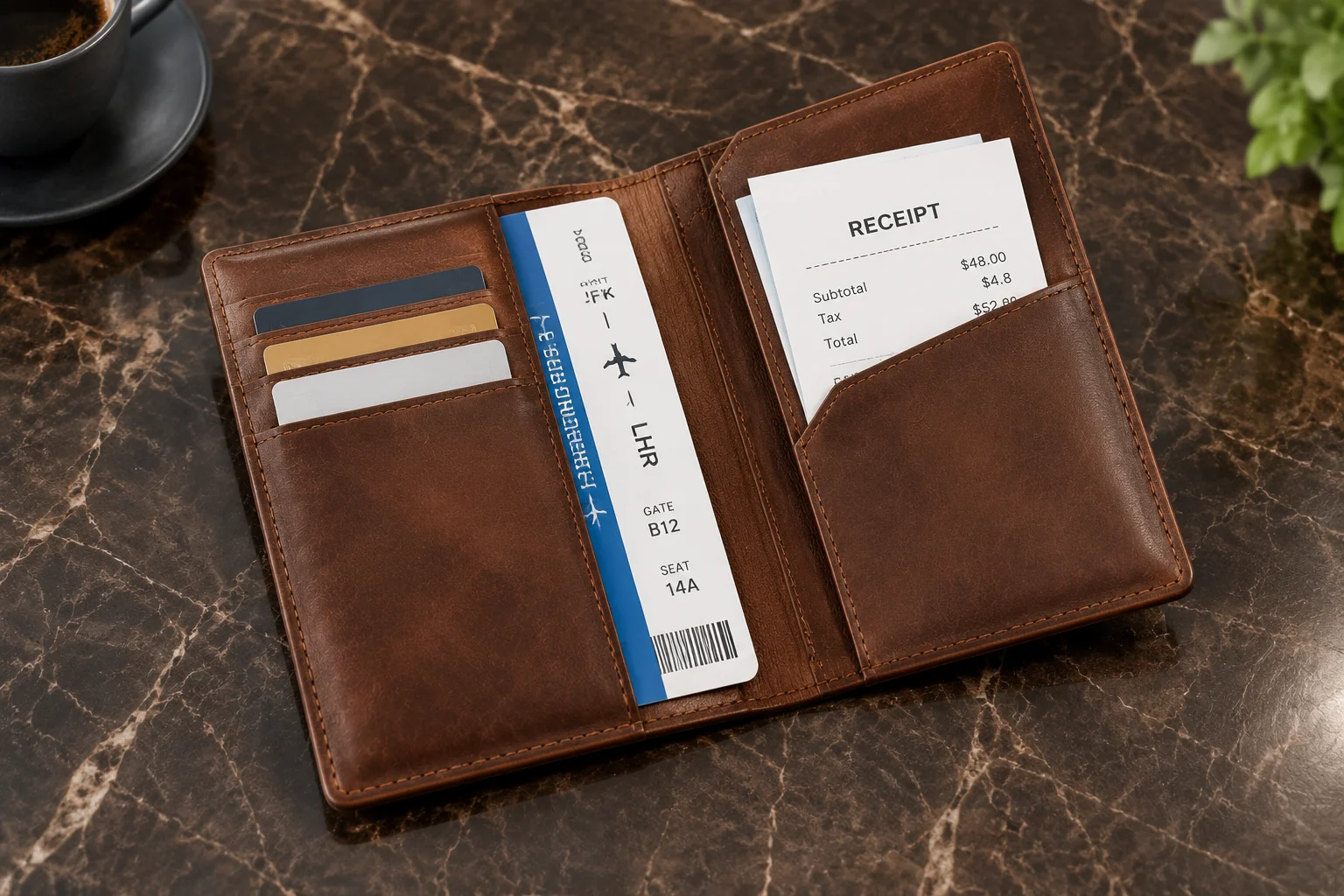
Transportation costs often represent the largest portion of a travel budget. Keep all boarding passes for flights. These documents prove that the travel actually took place. Car rental agreements should be kept until the final bill is settled. For those using personal vehicles, a mileage log is essential. Record the date, the purpose of the trip, and the total distance traveled. GPS-based apps automate this process by tracking the route in real-time. These digital logs are highly accurate and easy to export. Parking fees and tolls also require documentation. Save the printed tickets or export the digital statements from toll accounts.
Lodging and Meal Documentation
Hotel folios provide a detailed breakdown of charges. Request a printed copy at checkout even if a digital version is emailed. Check the folio for accuracy before leaving the property. Room service, internet fees, and laundry services should be clearly identified. Meals require special attention. Distinguish between individual meals and business entertainment. Business entertainment involves clients or colleagues and requires a list of attendees. The purpose of the meeting must be documented. US Tax Forms Helpline recommends keeping the itemized receipt rather than just the credit card slip. The itemized version shows exactly what was purchased.
Handling Incidental Costs
Incidental costs include small items like baggage fees or office supplies. These minor expenses require the same level of documentation as larger ones. Keep receipts for dry cleaning if the trip lasts more than a few days. Communication costs like international phone plans or roaming charges should be highlighted on the monthly bill. If a receipt is unavailable, write a short memo explaining the expense. Include the date, amount, and reason for the lack of documentation. This proactive approach demonstrates a commitment to accurate record-keeping.
Archiving the Trip Data
The final step involves consolidating all information into a single report. Submit the expense report according to the company's timeline. Attach all supporting documentation in a logical order. Keep a complete copy of the submitted report for personal records. Digital archives are easier to manage than physical stacks of paper. Store the files by year and trip name. This organization makes it simple to retrieve information during a future review. Consistent habits turn a complex task into a manageable routine.